San Rossore Park- PARCO DI SAN ROSSORE A PISA
Il Parco Migliarino San Rossore Massaciuccoli si estende lungo la fascia costiera delle province di Pisa e Lucca in un’area anticamente lagunosa e paludosa.
La zona è stata colmata nel tempo dai detriti portati dai fiumi Serchio e Arno e dal Mar Tirreno, ma il territorio è frutto anche dell’opera dell'uomo, che nei secoli ha regimentato i corsi d‘acqua e bonificato i terreni. I primi lavori di bonifica furono eseguiti dai Medici.
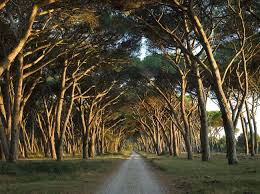
La posizione geografica e le condizioni climatiche garantiscono una inusuale varietà di ambienti, con la presenza di una vasta area boschiva costiera, dominata dai boschi di pino (domestico e marittimo) e di caducifoglie, con vaste estensioni di dune e spiagge naturali (
Tirrenia e
Marina di Vecchiano) assieme a
zone umide di importanza internazionale (Lago di Massaciuccoli e lame di San Rossore).
La varietà degli ambienti naturali (dune, arenili, foreste igrofile, distese di macchiamediterranea, aree coltivate) e la presenza dell’acqua (lame, fossati, canali, zone paludose, lago, fiumi, stagni) sono gli elementi determinanti e caratterizzanti il Parco San Rossore. Questa varietà determina a sua volta ricchezza e diversità di specie animali e vegetali
Park Migliarino San Rossore Massaciuccolistretches along the coast of the provinces of Pisaand Lucca, in an area that was once characterized by lagoons and marshes.
Over time the area was filled with sediment carried by the rivers Serchio and Arno and by the Tyrrhenian Sea. But the territory is also the result of the work of man, who has channelled the waterways and reclaimed the land over the centuries. Reclamation commenced during the rule of the Medici.
The geographical position and climatic conditions ensure an unusual variety of environments,
with the presence of a vast wooded coastal area, dominated by deciduous and
pine woods (maritime and stone pine), with vast expanses of
dunes and natural beaches
(
Tirrenia and
Marina di Vecchiano) alongside internationally important
wetlands (Lake Massaciuccoli and swamps of
San Rossore).
The variety of natural environments (dunes, sandy shores, hygrophile forests, expanses ofMediterranean scrub, farmed areas) and the presence of water (marshes, ditches, canals, swamps, drains, lake, rivers, ponds) are the elements that shape and distinguishSan Rossore Park.In turn, this variety determines the wealth and diversity of animal and plant species.
Birdlife is incredibly prosperous, with many sedentary, migratory and nesting species (purple heron, mallard, marsh harrier); there is also a strong presence of deer and wild boar and other smaller mammals such as foxes, porcupines, dormice, badgers and squirrels.
The flora of the park includes rarities such as the drosera, or sundew (a small carnivorous plant), the silk vine (a rare liana), the swamp orchid, the pink hibiscus and the Florida fern. The vegetation of the dunal belt and coastline is distinctive for its rustic yet beautiful pioneer plants including the sand-favouring knapweed and tufts of Ravenna grass in the sandiest inland areas.
Traditional activities include farming, gathering of
pine nuts and cattle and sheep breeding. One of the strongest traditions is
horse racing, with
the racecourse of San Rossore, also known as Prato degli Escoli, which is very well attended in the racing season.
The portion of the park that falls within the boudaries of
Pisa province is divided into three estates:
San Rossore Estate,
at the centre of the park,
and
Coltano and
Tombolo estates to the south.
Migliarino San Rossore Massaciuccoli Regional Park


